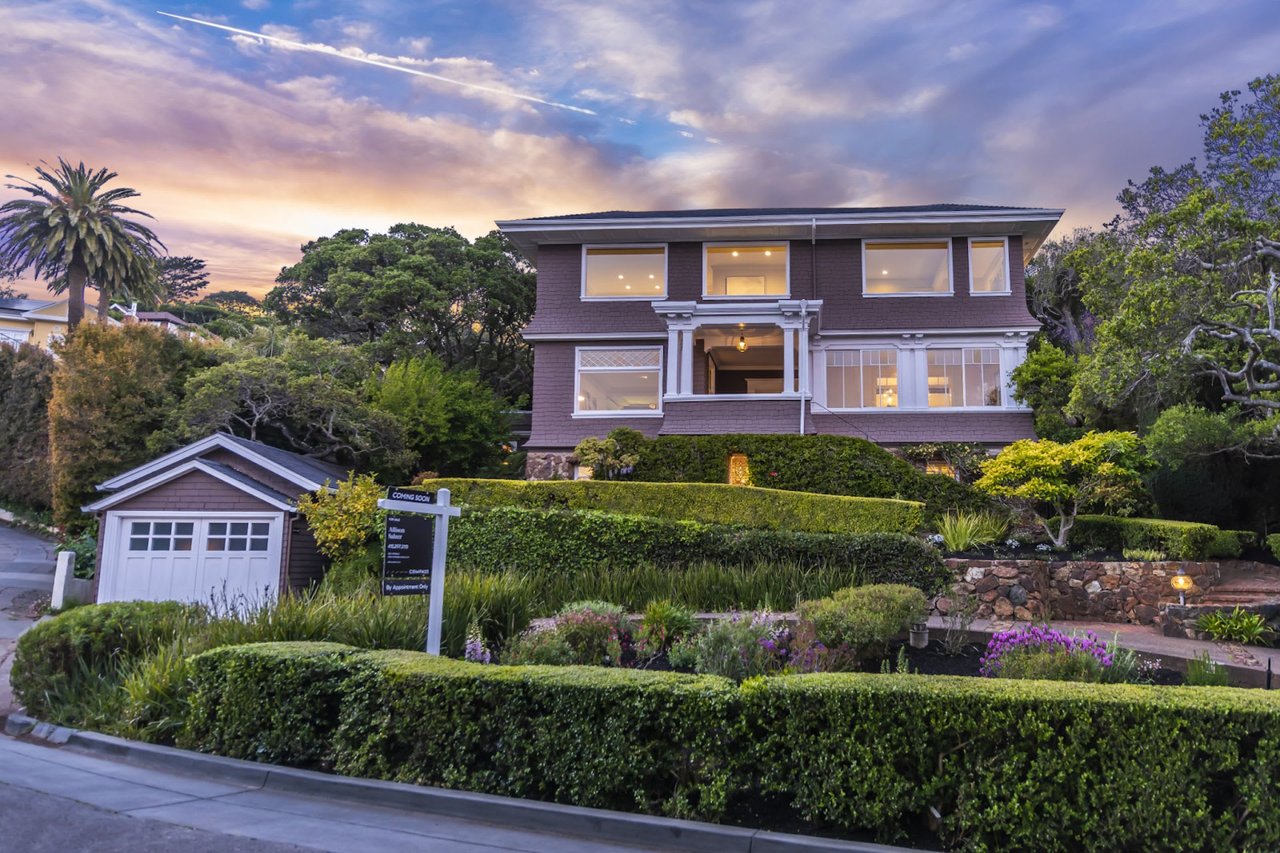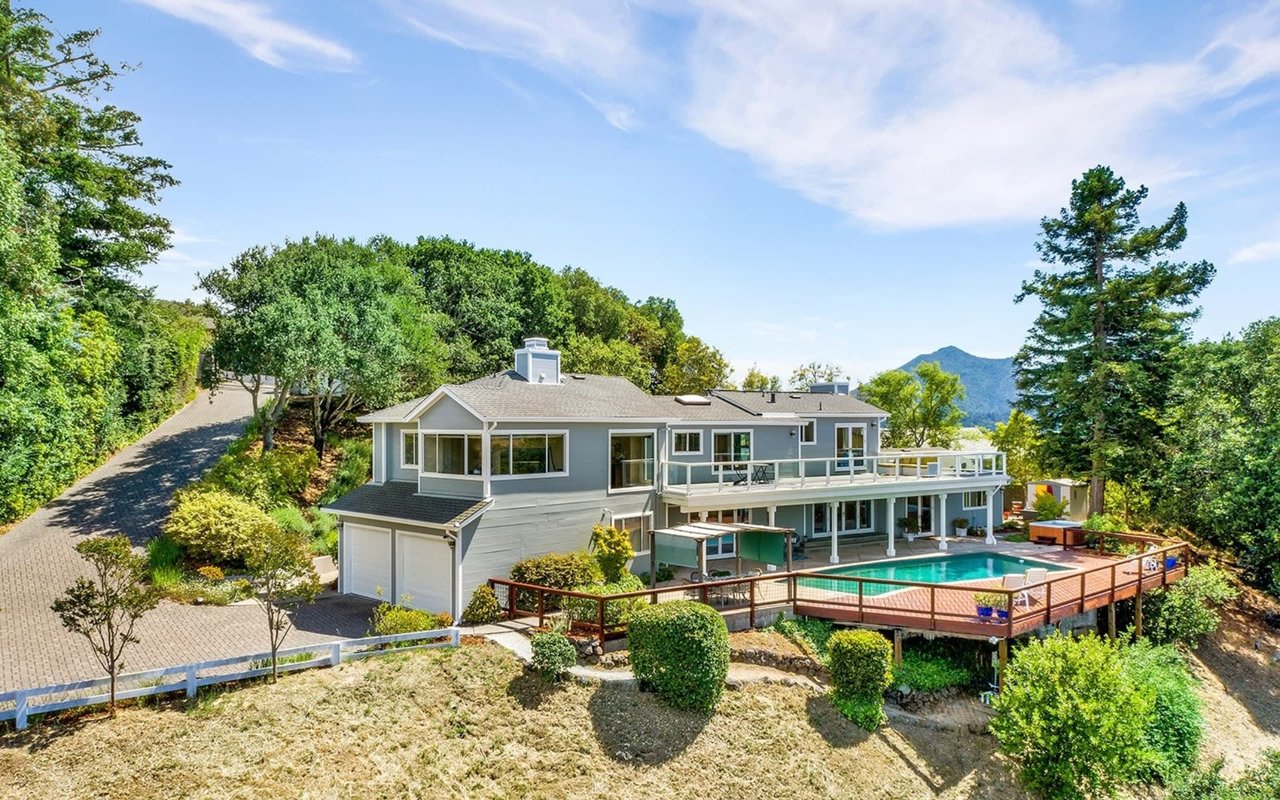
"That disclosure process really provided that clarity so we could make an informed decision." A homebuyer said this to the San Anselmo Town Council in March. He was describing the town resale report he received when he bought his home, which confirmed the property sits on a town-maintained road. He took no position on the repeal. The council voted to end the program anyway, and this fall is the first full selling season without it.
On paper, sellers have one less obligation. In practice, the work the town used to do still has to happen. It now falls to buyers, inside their contingency period, without town staff doing the reconciliation. The one point-of-sale requirement left is buried in the yard, and it still starts the day a home is listed.
What the town report actually did
San Anselmo's presale program had been in place since 1969. Under Title 9, Chapter 23 of the municipal code, a seller or the seller's agent had to obtain a report from the town showing the property's authorized legal use, occupancy, zoning classification, and other pertinent information.
A staff report quoted by the Marin Independent Journal called it the most comprehensive program in Marin, because it reconciled town records with existing site conditions and also reviewed planning and public works records. Code enforcement officer Bill Johnson told the council the inspections kept buyers from being surprised by safety issues, repair needs, code violations, and permit requirements.
The town handled about 140 of these reports a year, and the fee had recently gone up from $400 to more than $1,000. Across the Marin towns with similar programs, the process can take up to four weeks depending on the town.
The cost and the calendar were the main points in the case against it. Agents speaking at the February meeting described sellers forced to bring homes up to code at the last minute, often while relocating, moving into assisted living, or settling an estate.
How the repeal happened
The council took up the program on February 24, 2026. Staff laid out three options: keep it, scale it back to a file-only review, or end it. A majority directed staff to draft a repeal.
Ordinance No. 2026-1199 was introduced on March 10 and adopted on March 24 by a 5-0 vote of Councilmembers Tarrell Kullaway, Eileen Burke, and Yoav Schlesinger, Vice Mayor Chantel Walker, and Mayor Steve Burdo. It took effect 30 days after adoption, which puts the end of the requirement at April 23, 2026.
The vote was unanimous, but the members did not all see it the same way. Burdo, Walker, and Burke asked staff to come back with options for offering inspections on a fee-for-service basis. Burke put her concern plainly: "I want to protect buyers." Buyers who want to know whether any optional service now exists should ask the town's building department directly.
Where the permit-history work went
This is the change that matters at the transaction level. Previously, the town checked permitted work against what was actually built before the home went on the market. Now that check happens only if the buyer arranges it, during the window the purchase contract allows for due diligence.
Task | Before April 23, 2026 | Since April 23, 2026 |
|---|---|---|
Permit and records reconciliation | Town report, ordered by the seller | Buyer's own research during contingencies |
Site visit by town staff | Part of the report | None at sale |
Planning and public works review | Part of the report | Buyer searches or requests the records |
Sewer lateral test | Required by the sanitary district at listing | Still required at listing |
Typical town fee | More than $1,000 | None to the town for a resale report |
The town still offers two ways to get the records. The first is the town's eTRAKiT portal, the system for building, planning, and public works, which allows searches by permit and by property or parcel. The second is a Public Records Act request for anything not in the portal. Under the town's form, available electronic records are free and standard black-and-white paper copies cost 10 cents a page.
Town Attorney Megan Acevedo explained the limitation during the council discussion. A records request can take longer than the old report, and it may not include documents with private information unless the seller is contacted and agrees to release them. On a short contingency period, a slow records request can easily take longer than the window allows.
Here is a practical order of operations for a buyer under contract:
- Search the address in eTRAKiT on day one and compare the permit history with the listing description, especially for added bathrooms, finished lower levels, and accessory spaces.
- File a Public Records Act request the same day for anything the portal does not show, and ask for electronic copies.
- Ask the seller to authorize release of any records that may be withheld for privacy reasons, so the request does not stall.
- Give your home inspector the permit history so the inspection can focus on work that has no permit record.
- Confirm road maintenance status separately if it matters to you, since that was one of the things the old report settled.
Sellers can do the same research before listing. A seller who pulls the eTRAKiT history first and attaches it to the disclosure package gives buyers the reconciliation the town used to provide, without the old fee or the wait.
The rule that did not go away
Ross Valley Sanitary District's Ordinance 100 is separate from the town code, and the repeal did not touch it. When a property is proposed for sale, the seller must coordinate a lateral test upon listing the home. The private lateral runs from the house to the sewer main, and the district holds the owner responsible for maintaining and repairing it.
Under the ordinance, the lateral test is a leakage test, and a CCTV camera inspection is a separate, optional step an owner may take first to find out whether repairs are needed to pass. One Marin and Sonoma plumbing contractor describes the usual sequence in practice. The line is camera-inspected, the video and report go in with the permit paperwork, any repairs are made, and a district inspector witnesses the pressure test. A plumber serving San Anselmo listed sewer camera inspections at $225 to $325 as of September 2026.
If the line fails, the ordinance leaves repair costs to negotiation. Responsibility for repairing a failed lateral is to be "mutually agreed upon by the property buyer and seller." The required work includes a conforming cleanout and a backwater prevention device, district permits, and a final inspection. For sales, repairs and final inspection must be completed within 90 days of close of escrow. A failed test therefore does not have to delay closing, but the obligation is not fully settled at closing either.
A 2026 Bay Area contractor cost guide puts full lateral replacement at roughly $4,500 to $18,000 or more. It lists open-cut work at $4,500 to $10,000 and trenchless replacement at $8,000 to $18,000 or more. These are general estimates, not San Anselmo bids. In a July 2025 report, RVSD described a lateral replacement loan of up to $25,000, repayable over as long as 10 years and subject to available funding and eligibility. The district updates its permit fees each July 1, according to a local contractor, so confirm current amounts directly with RVSD.
Why the lateral certificate is worth more now
A passed test earns a Certificate of Compliance that is valid for 20 years. A property with a current certificate is exempt from retesting at sale. The same test is also required before a building permit is issued for a remodel valued at $75,000 or more, or for any remodel that adds a bathroom.
So the certificate does two jobs in a San Anselmo transaction. For the seller, it removes the one remaining point-of-sale requirement. For a buyer planning a kitchen and bath renovation, it means the district's test is already satisfied when the remodel permit is pulled. Without the town report, the lateral certificate is now the main piece of documentation the town's process still produces about a home's condition, and it records only the sewer line.
San Anselmo is also out of step with its neighbors. According to the town's staff report, Ross, Tiburon, Fairfax, San Rafael, and Belvedere still run presale inspection programs, while Corte Madera, Larkspur, Mill Valley, and Sausalito offer file-only reviews. Buyers comparing homes in Ross Valley will find a town report in Fairfax or Ross and none in San Anselmo.
A few questions that come up
Does a San Anselmo seller need anything from the town before listing now?
No town resale report has been required since the repeal took effect on April 23, 2026. The Ross Valley Sanitary District lateral test still applies at listing unless the home holds a current Certificate of Compliance.
Can a buyer still get a town inspection?
In March, the council asked staff to come back in the future with options for fee-for-service inspections. The town's building department can confirm whether that service exists yet. Either way, eTRAKiT and a Public Records Act request remain open routes to the records.
Does a failed lateral test have to be fixed before closing?
Under Ordinance 100, repairs and final inspection may be completed up to 90 days after close of escrow, and buyer and seller agree on who pays. The contract should say who handles the work and how it will be funded.
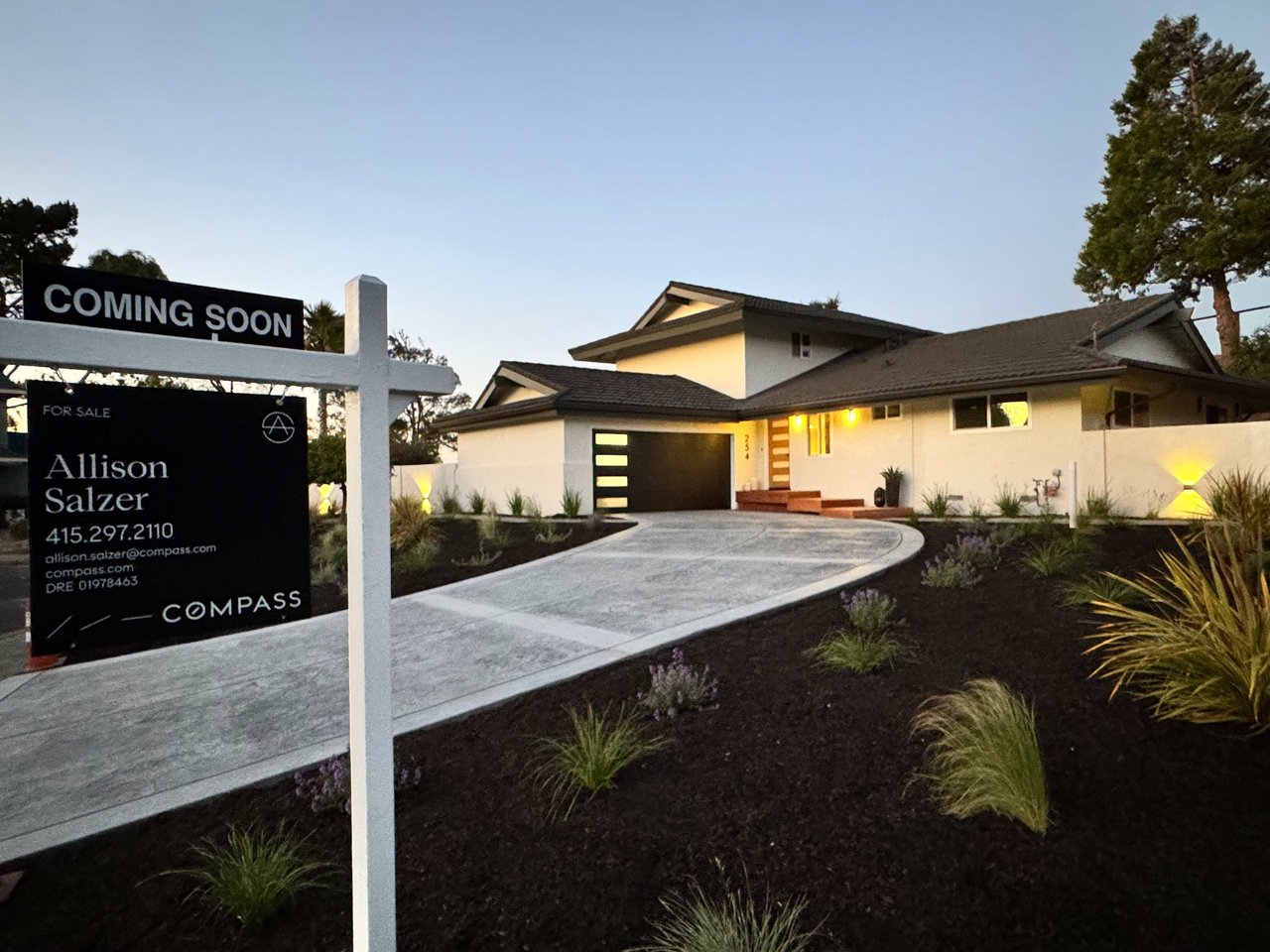
If you're preparing to sell in San Anselmo, Allison Salzer can schedule the lateral camera work, pull the permit history, and assemble the records package before you list. That way buyers get the file they would otherwise have to build during their contingency period. Get your instant home valuation, and we'll map out the pre-listing timeline from there.
This article is general information, not legal, tax or financial advice. Consult a qualified professional about your situation.