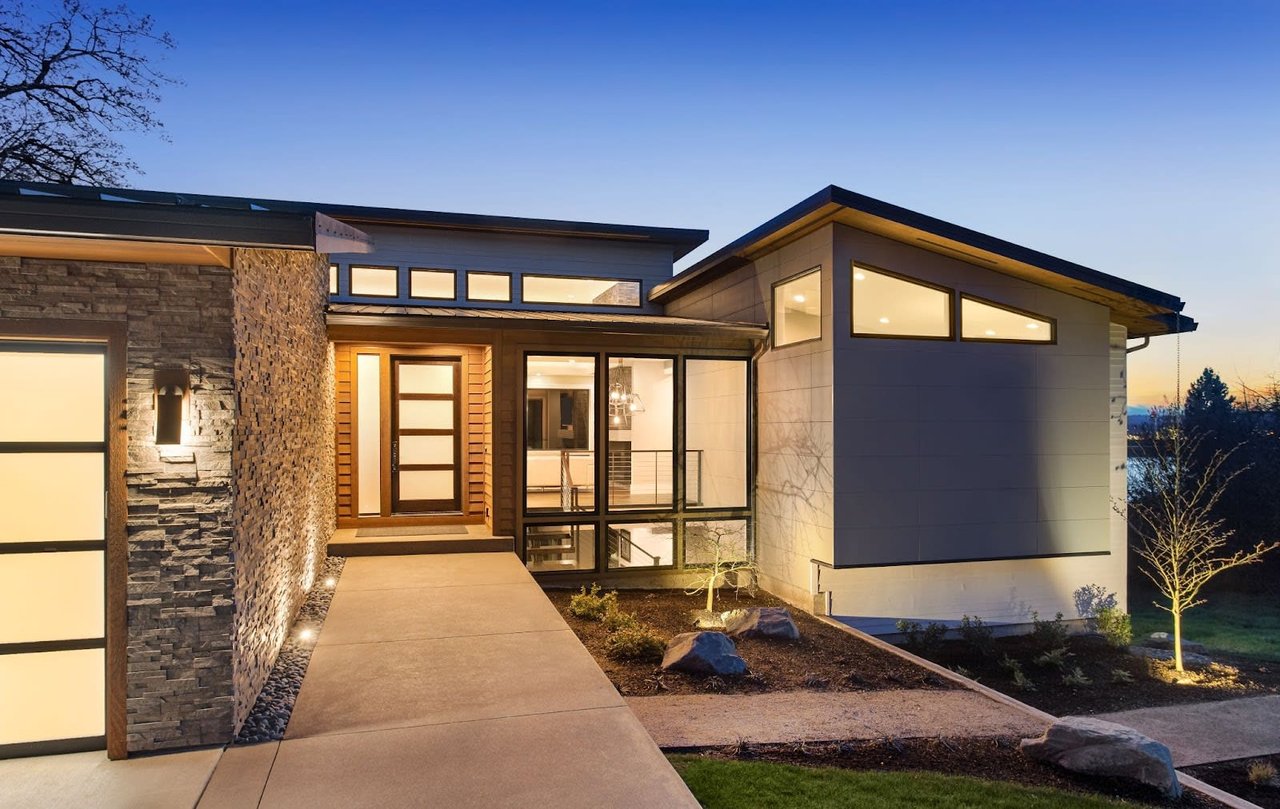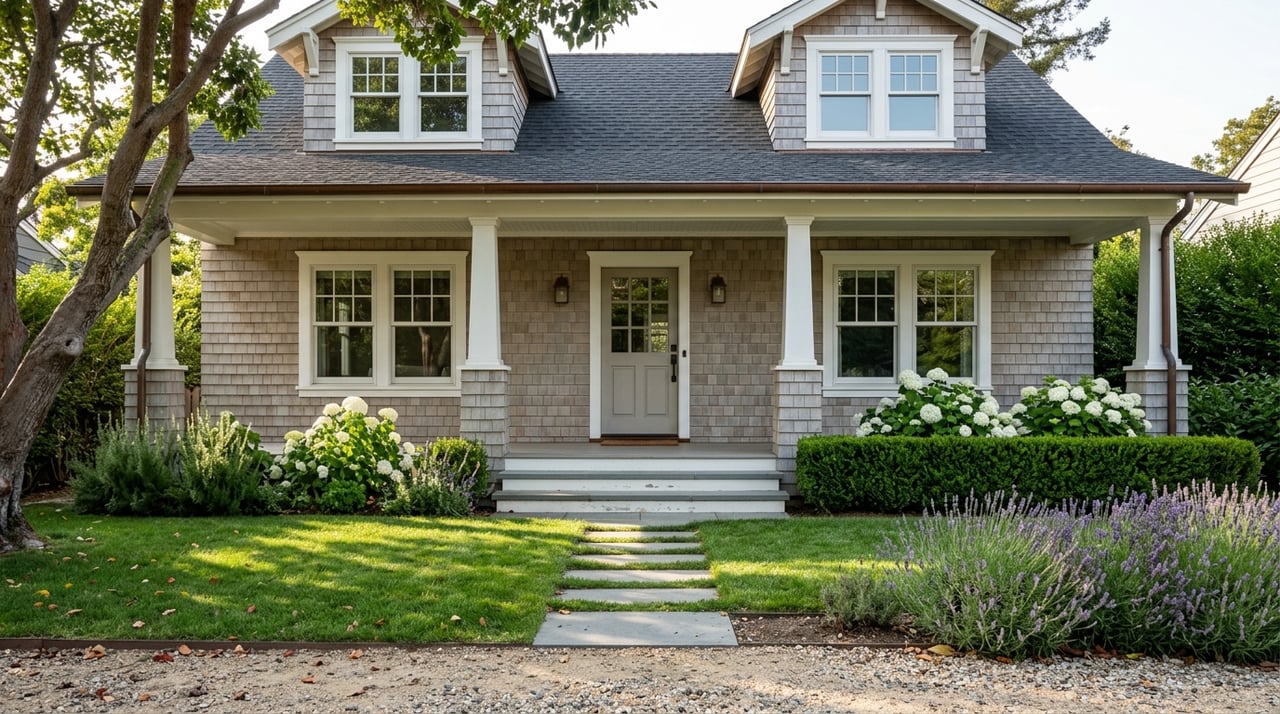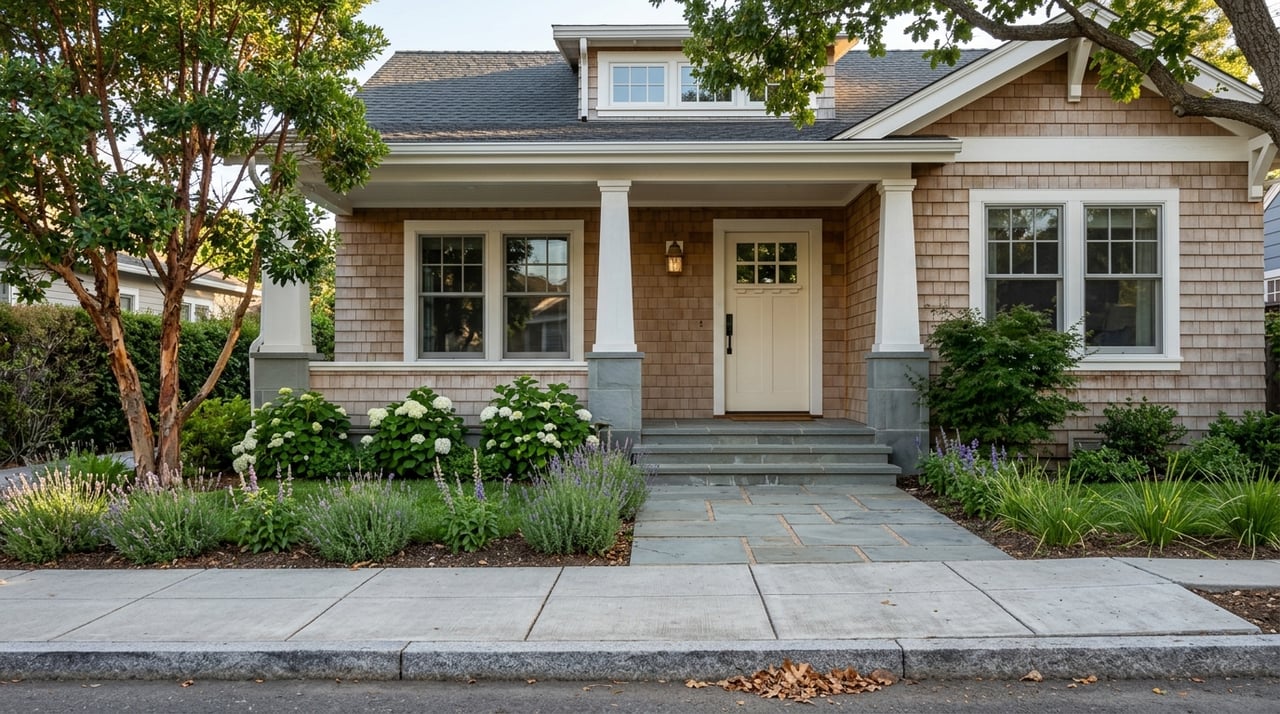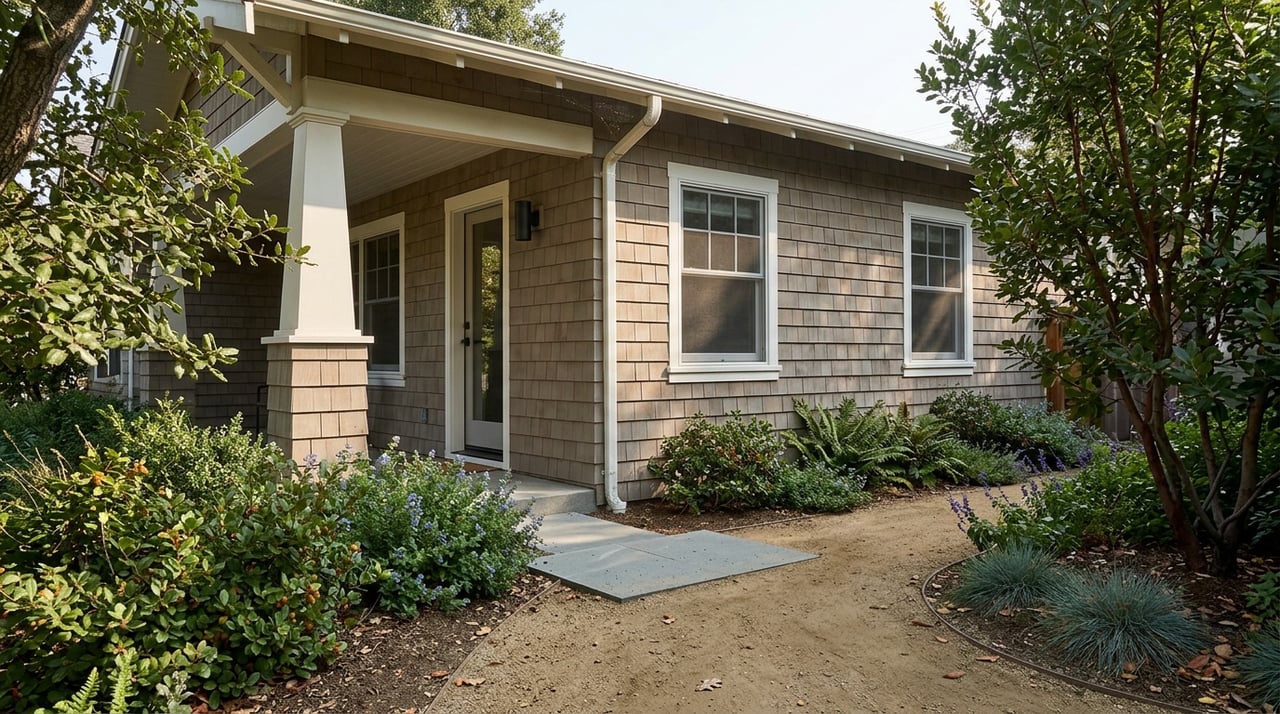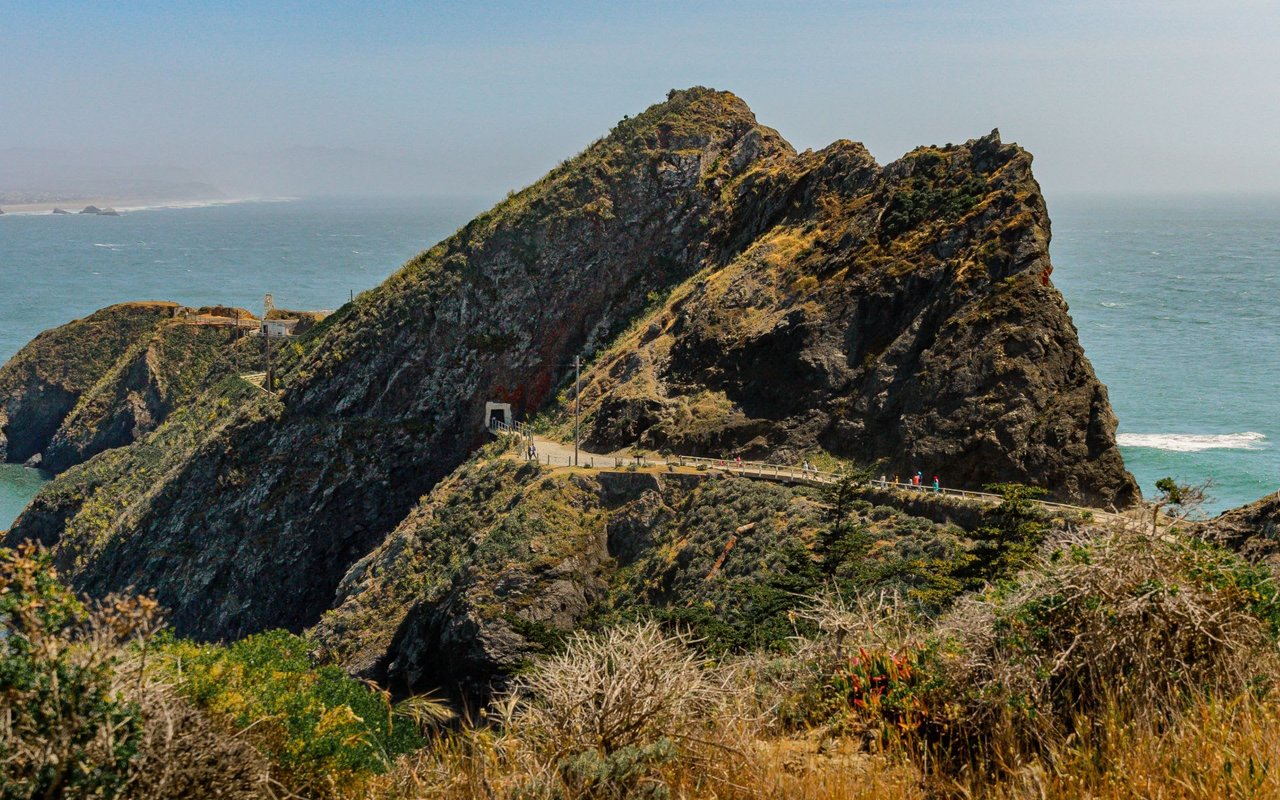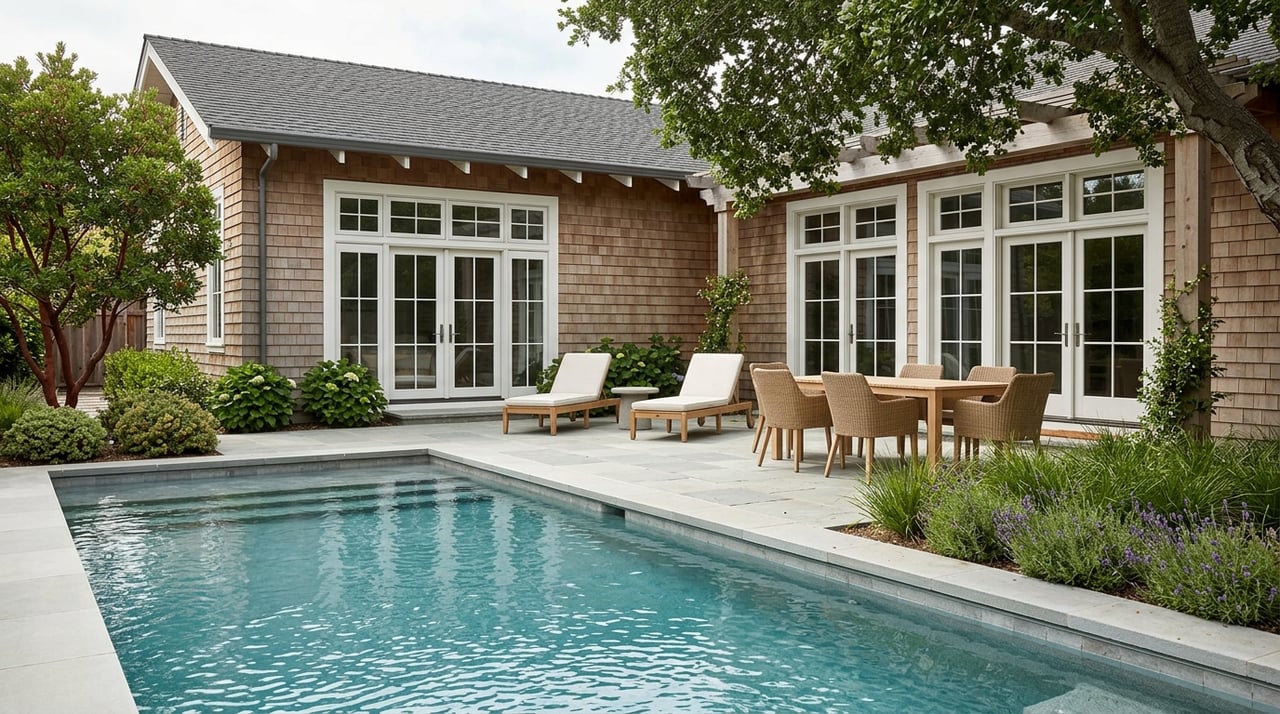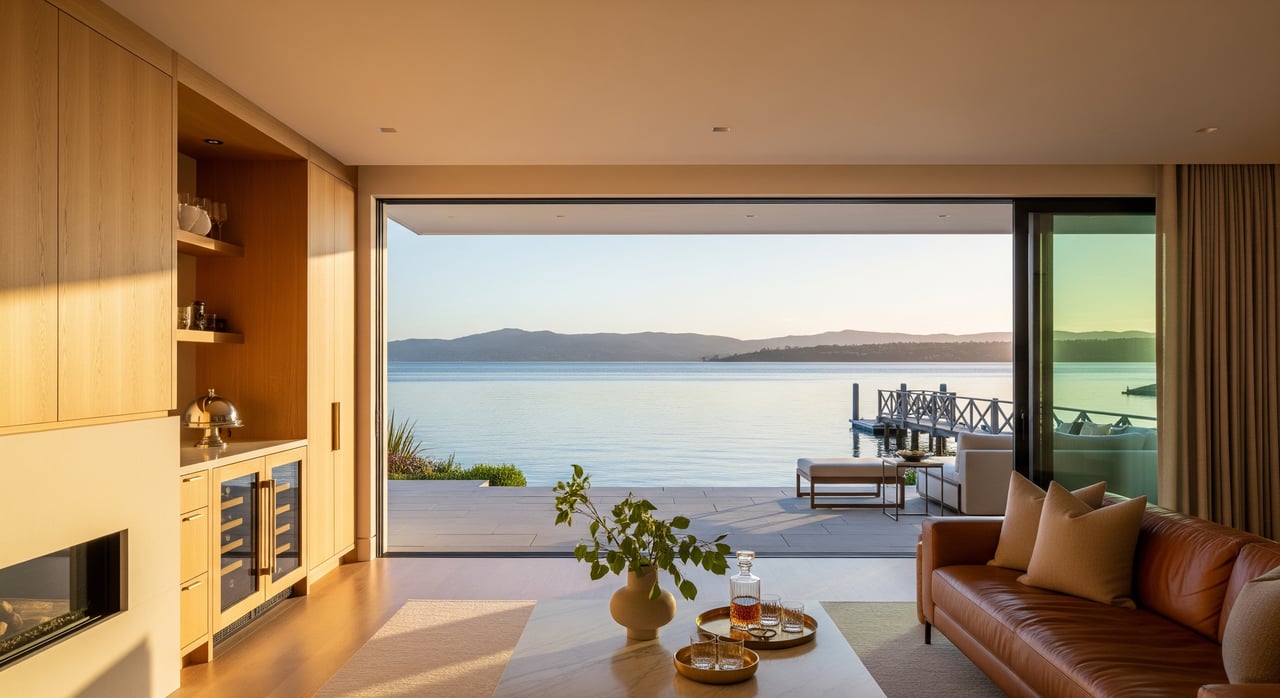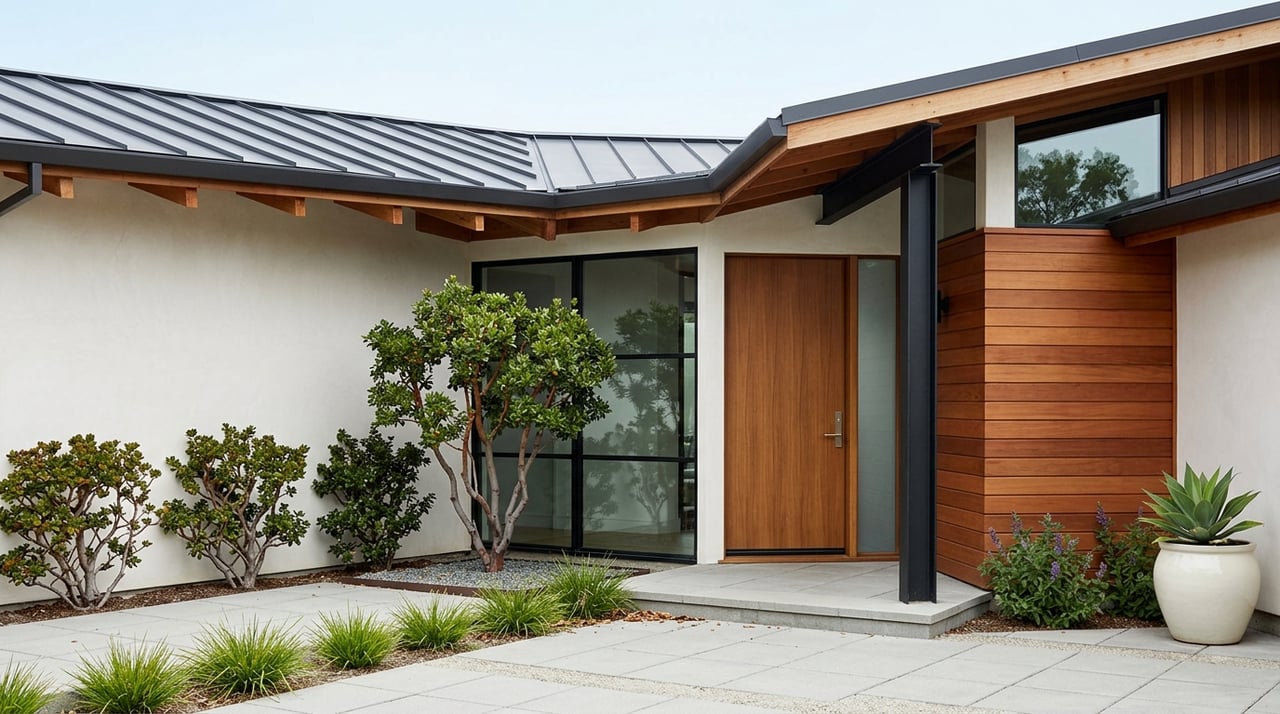
Thinking about listing your Belvedere waterfront home in the next 6 to 18 months? Preparing a property with a seawall, dock, and lagoon or Bay frontage takes more than a quick paint job. You are balancing inspections, BLPOA permissions, BCDC permits, disclosures, and insurer expectations. This guide walks you through what to do, when to do it, and how to present your home so buyers feel confident and move fast. Let’s dive in.
Why Belvedere waterfronts are different
Waterfront homes in Belvedere sit on islands and along the privately owned Belvedere Lagoon, where many properties follow recorded easements and neighborhood rules. The Belvedere Lagoon Property Owners’ Association outlines dock, bulkhead, and encroachment standards and requires a letter of permission before construction on lagoon waters. Review the current BLPOA rules and permission guidance early.
Work along the Bay and within 100 feet of the shoreline often requires regional review. BCDC oversees many shoreline and in-Bay activities, and its permits coordinate with City of Belvedere and Marin County approvals. Because these authorities overlap, early planning helps you avoid surprises that can delay closing.
Pre-listing technical checklist
A strong pre-list package reduces contingencies, speeds escrow, and protects your price. Start with these steps.
Core California disclosures and inspections
- Transfer Disclosure Statement and Natural Hazard Disclosure. Deliver the required forms on time to avoid rescission windows. See California Civil Code sections for NHD and TDS requirements.
- Full home inspection plus a separate wood-destroying organism report. Ask inspectors to flag any water intrusion, rot, corrosion, or prior flood remediation so you can fix or properly disclose.
Waterfront-specific documentation
- Seawall or bulkhead engineering report. Have an engineer evaluate toe scour, tiebacks, cap condition, seepage, and remaining design life. Lenders and insurers often request recent documentation. The EPA’s coastal marina guidance explains common bulkhead assessment points used by professionals; share your final report with buyers for confidence building. Review coastal infrastructure guidance in the EPA coastal marinas handbook.
- Marine survey of dock and pilings. Confirm pile condition, lift capacity, fasteners, and any power on the dock. Ask the surveyor to note what is permitted versus unpermitted and to reference as-built dimensions.
- Boundary and elevation. Order a boundary survey showing mean high water and any encroachments. Obtain an elevation certificate or a FEMA flood-zone determination to support insurance and lending.
- Title and easements. Pull recorded easements, riparian or tideland language, dock permits, and any BLPOA agreements that address encroachments, shared maintenance, or assessments. Place relevant documents in your disclosure packet.
Permits and shoreline approvals
Shoreline work follows a specific path in the Bay Area. Know your agencies and timelines so you can decide whether to repair now or disclose and price accordingly.
- BCDC oversees many projects in the Bay and within the shoreline band. Review permit categories and whether your scope aligns with a regionwide, administrative, or major permit in the BCDC permit types overview.
- Timelines vary by scope. Small dock repairs can be resolved in months, while new piers or significant seawall replacements often require longer, multi-agency review. You can see active local applications and statuses in BCDC’s public permit tracker.
- BLPOA coordination comes first for lagoon homes. Obtain the BLPOA letter of permission and address encroachments before submitting to the city or BCDC.
- Sea-level rise planning. Many buyers and design teams reference NOAA’s viewer for planning and context. Consider including a snapshot from the NOAA Sea Level Rise Viewer to help buyers understand long-term exposure.
Renovation priorities with the best returns
Focus on high-impact, lower-risk updates that read as turn-key without overbuilding for the market. Bay Area appraisers note that exterior and cosmetic projects often deliver the strongest percent recoup, while full luxury overhauls can add value but recover a smaller share of cost. See a regional summary in this Bay Area renovation ROI analysis.
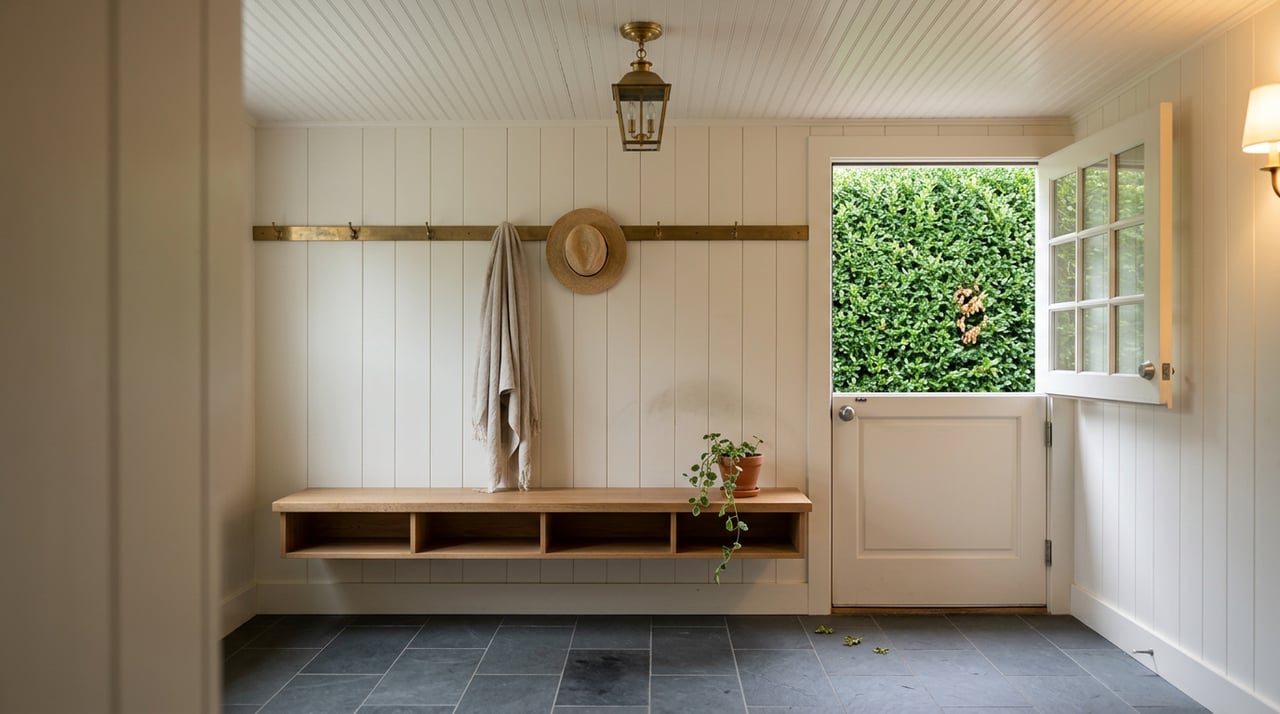
- Cosmetic reset. Neutral interior paint, deep cleaning, decluttering, and minor repairs are the foundation for a premium presentation.
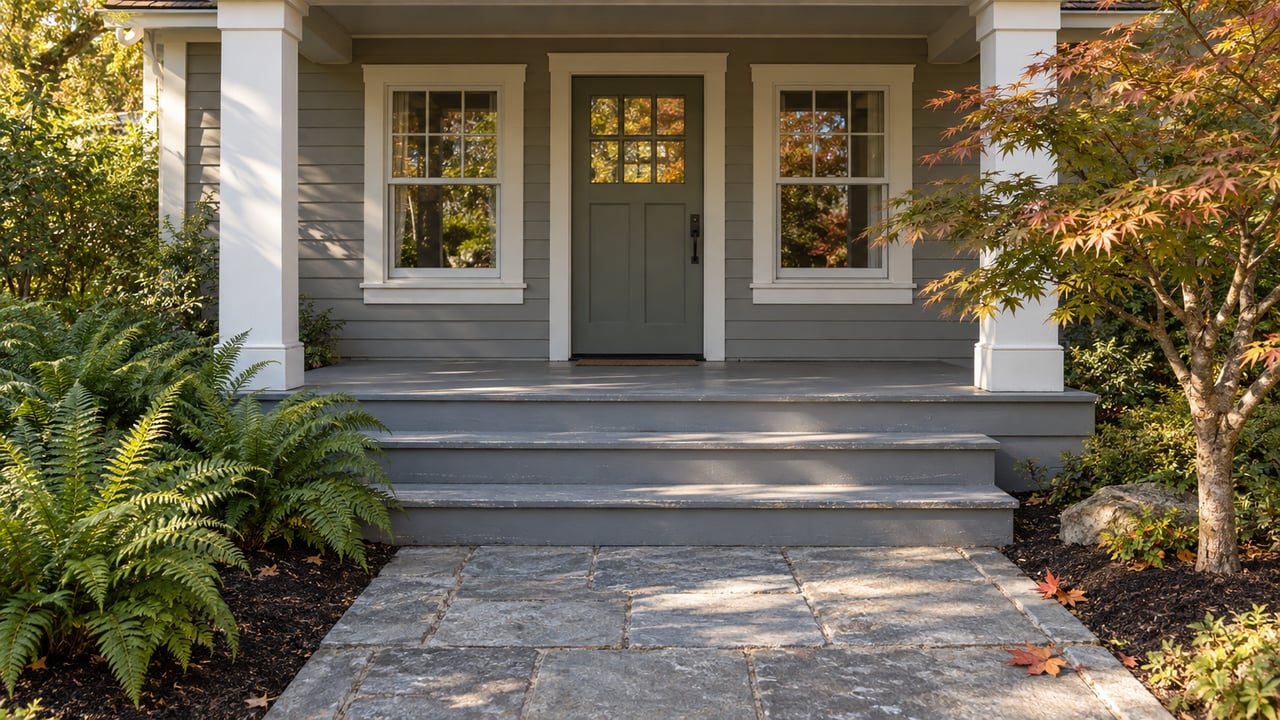
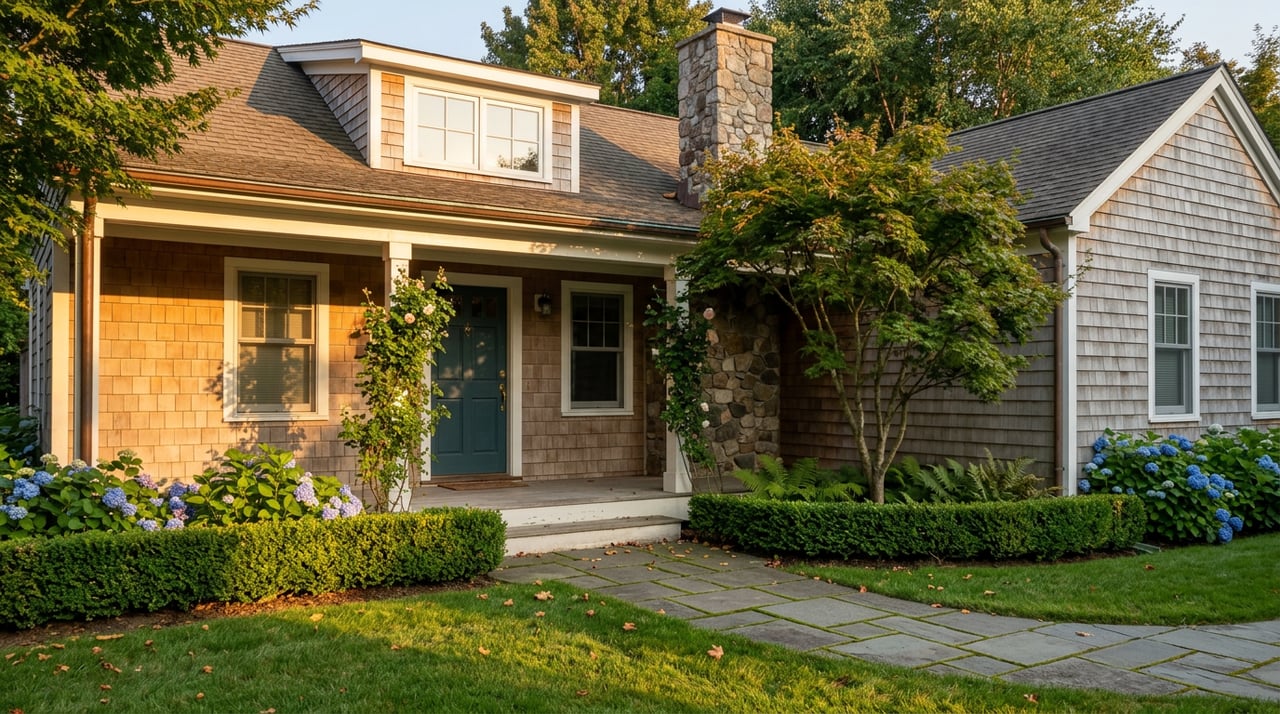
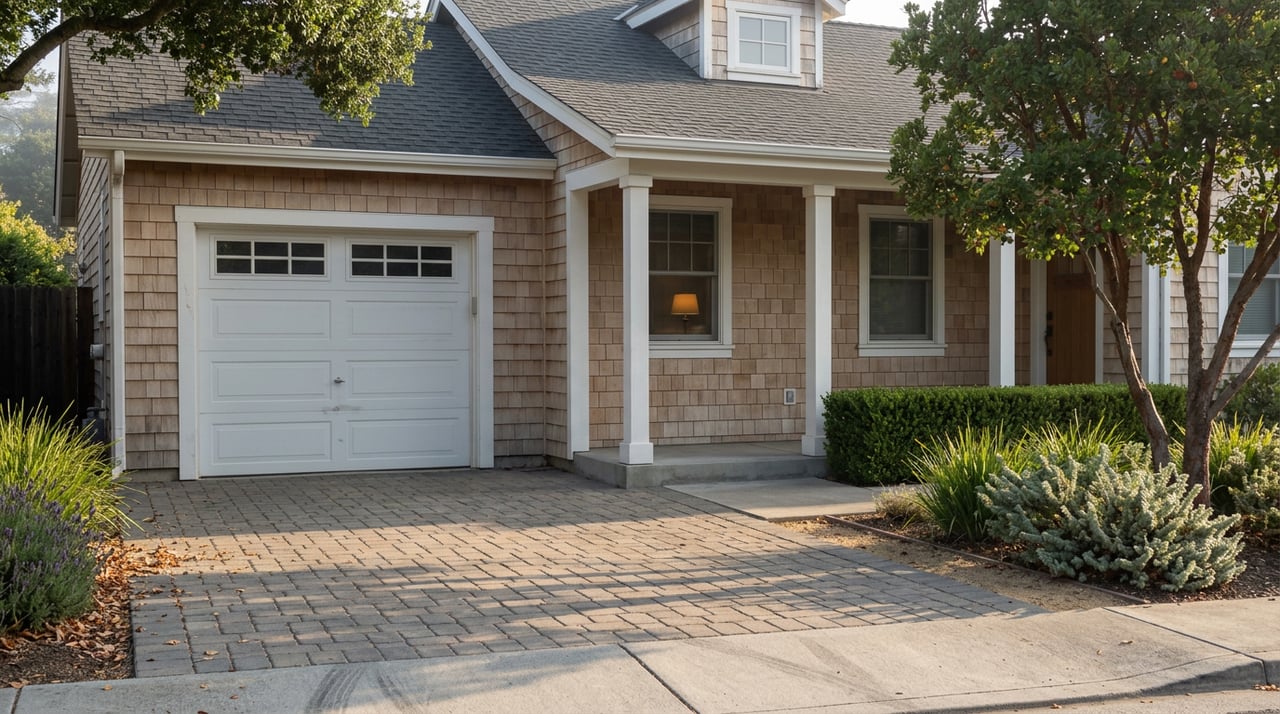
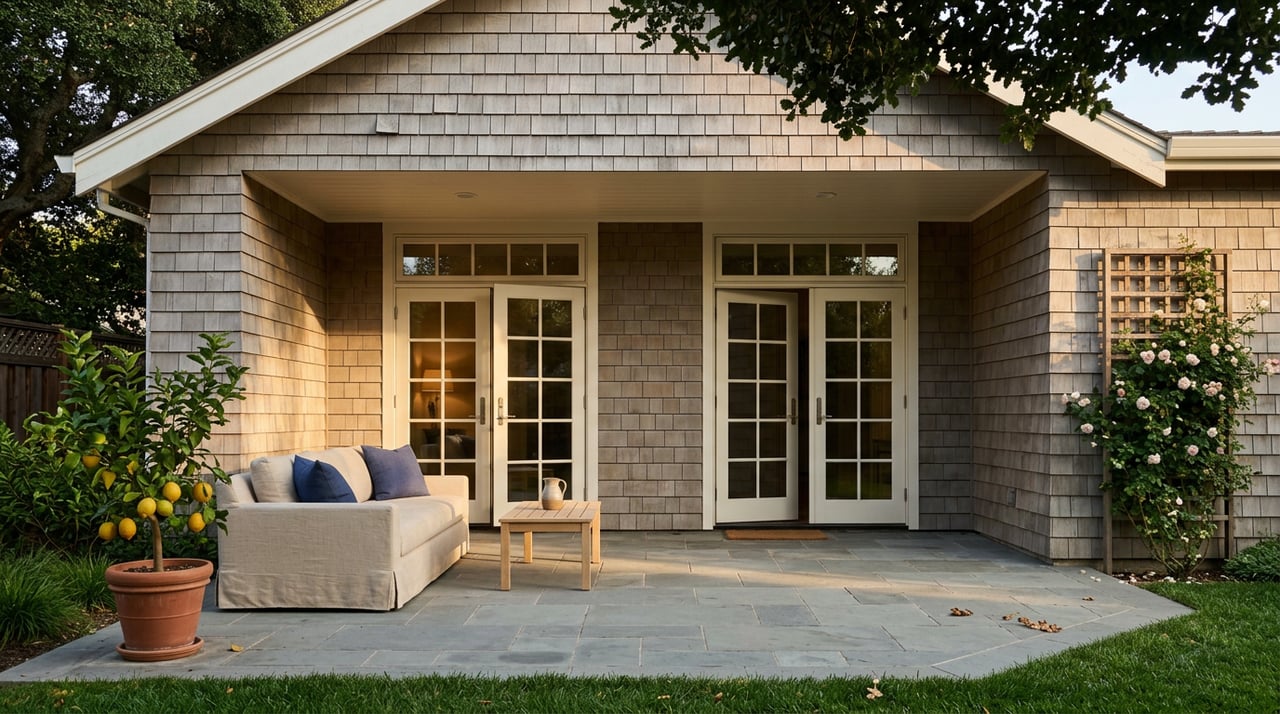
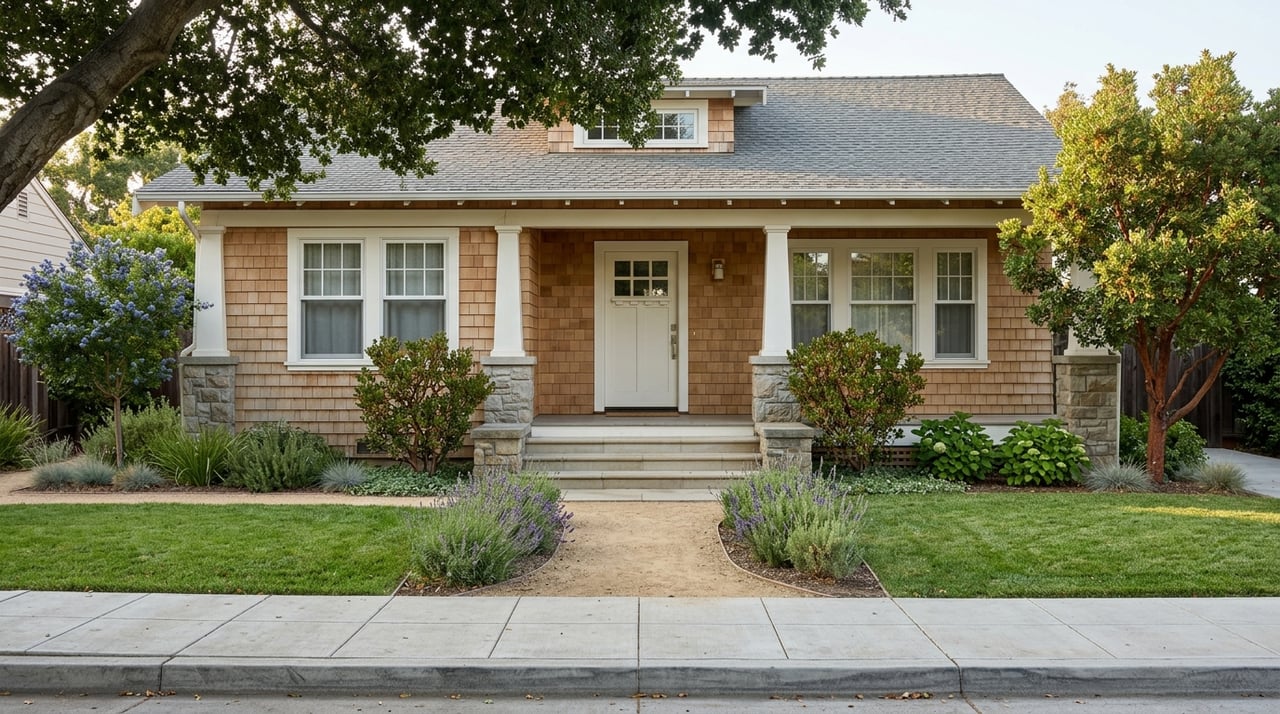
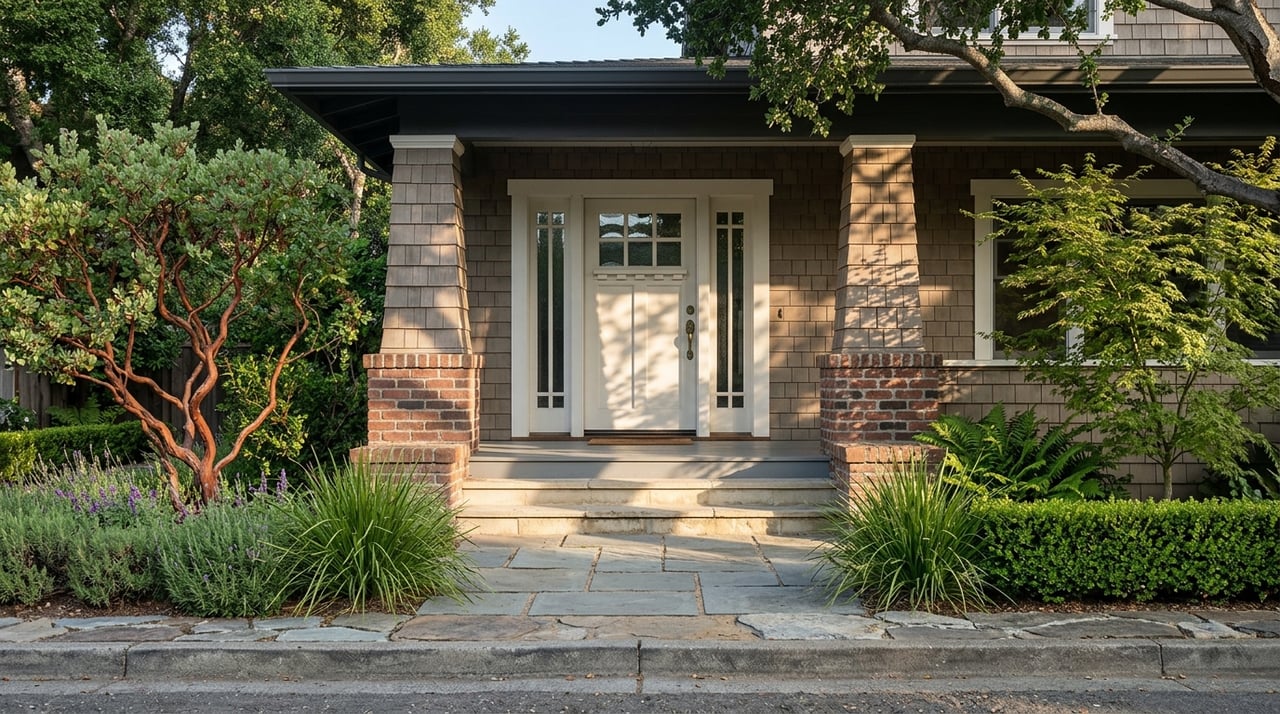
- Curb and entry. Update the front door and garage door if dated, refresh plantings with salt-tolerant choices, and keep pathways immaculate.
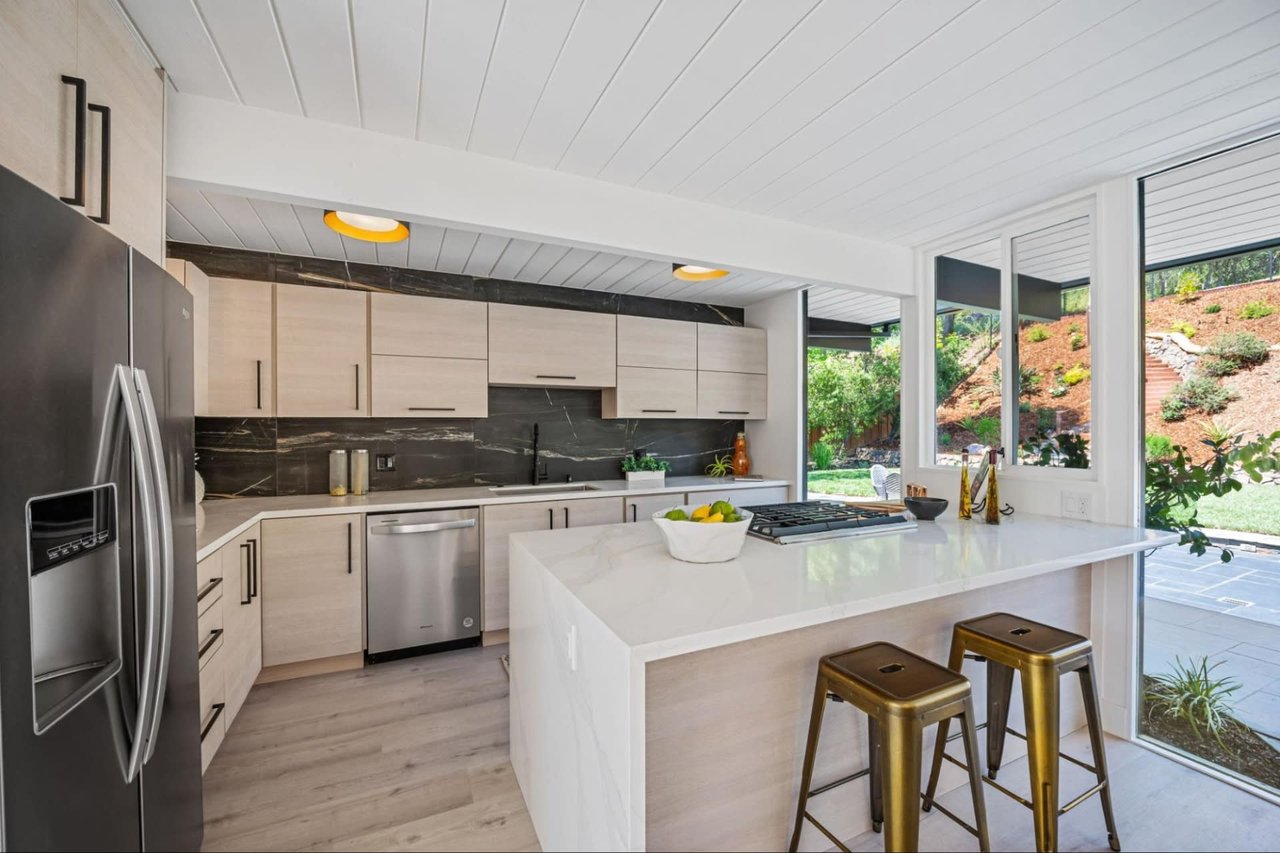
- Kitchen and primary bath refresh. Prioritize surfaces, lighting, hardware, and select appliances that show as clean and current.
- Systems and durability. Address roof, HVAC, electrical service, and exterior corrosion risks. This improves underwriting confidence and reduces last-minute renegotiation.
Funding improvements with Compass Concierge
If eligible, Compass Concierge can advance funds for approved pre-sale improvements and staging, then you repay at closing, at listing termination, or after one year. Review program details and obligations as described in Compass filings on the SEC website. Use bids and comps to confirm projected ROI before greenlighting any scope.
Presentation and media that sell the view
Staging and great visuals help buyers picture life on the water and can influence offer strength. Industry reporting on the NAR staging profile shows consistent benefits to buyer perception and listing performance. See a concise summary of key statistics in this staging ROI overview.
Photo and asset checklist for waterfront listings:
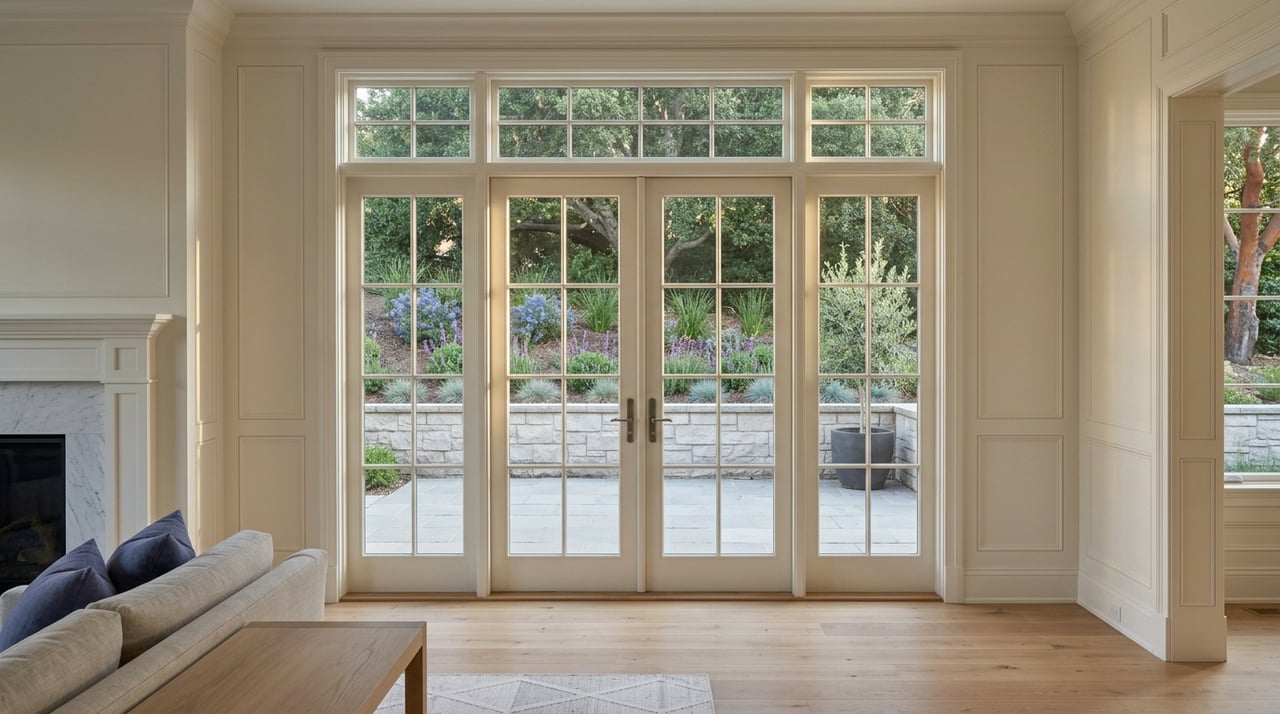
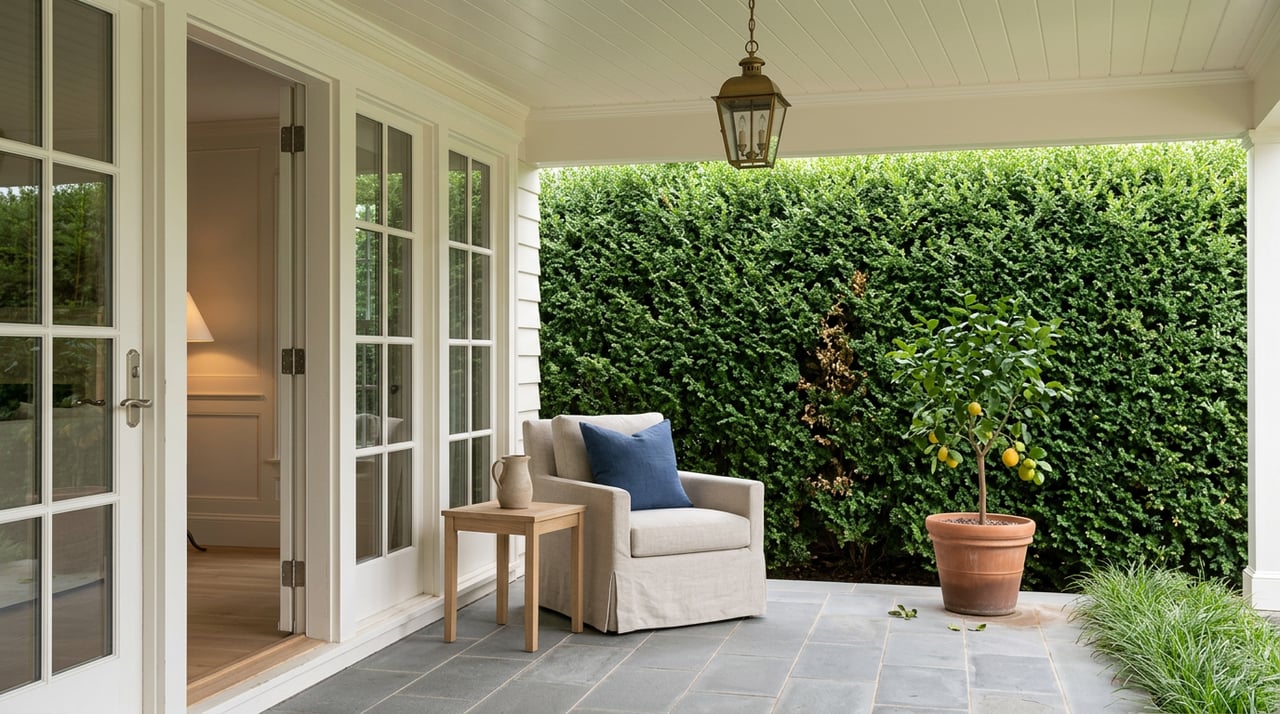
- Interior hero shots of living room, kitchen, and primary suite, plus transitions to terraces and water.
- Exterior angles that show shoreline condition, dock layout, and adjacent channel.
- Drone overhead to clarify privacy, approach, and the home’s position on the lagoon or Bay.
- Twilight images of outdoor rooms where lighting and entertaining shine.
- A short narrated video or 3D tour noting dock dimensions, safe draft if measured, boat or lift capacity from the marine survey, BLPOA dock rules, and the date of your seawall report.
Pro tip: share select pages from your dock and seawall reports in the online disclosure packet. Buyers equate documentation with confidence.
6–18 month prep timeline
- 6–18 months out. If major shoreline or dock work is possible, scope it now. Confirm BLPOA requirements for lagoon properties, order a top-level seawall assessment, and decide whether to repair or disclose. Starting early helps you align with permit timelines.
- 3–6 months out. Complete core inspections, the marine survey, and elevation documentation. Finalize paint and cosmetic refresh plans, get bids, and decide whether to leverage Compass Concierge.
- 0–3 months out. Stage the home, schedule professional photos and drone, and assemble your disclosure packet. Include inspection summaries, seawall and dock reports, survey, BLPOA permission letter or status, and any permit updates. Deliver the NHD and TDS per California timing rules.
Offer readiness and common friction points
- Insurance and lending. Waterfront homes can face higher insurance costs and special underwriting for flood and coastal exposure. Reduce friction by documenting flood zone status, seawall condition, and recent system upgrades. See context on how coastal specifics shape underwriting in this Marin-focused overview.
- Disclosure timing. Late delivery of California disclosures can create rescission rights even when a buyer still wants the home. Prepare your packet so critical documents go out alongside the contract.
Work with a Belvedere specialist
Preparing a Belvedere waterfront home is a project that blends data, design, and permitting know-how. With institutional financial training and hands-on renovation experience, Allison manages vendor bids, Compass Concierge improvements, staging, and a disclosure-first strategy so buyers feel ready to write with fewer contingencies. If you are exploring a 6 to 18 month window, a brief planning call today can lock in the right sequence for a faster, stronger sale. Connect with Allison Salzer to map your path and get your instant home valuation.
FAQs
What inspections do Belvedere waterfront sellers need before listing?
- Plan on a full home inspection, a wood-destroying organism report, a seawall or bulkhead engineering report, a marine survey of the dock and pilings, and an elevation or flood-zone determination.
How do BLPOA rules affect selling a Belvedere Lagoon home?
- BLPOA sets dock, bulkhead, and encroachment requirements and typically requires a letter of permission before construction on lagoon waters, so include BLPOA documentation in your disclosure packet.
How long do BCDC permits for a dock or seawall take in Belvedere?
- Timelines vary by scope, but small repairs can take a few months while new piers or major seawall work can extend much longer due to multi-agency review and public comment windows.
How do flood zones and elevation certificates impact my sale?
- Elevation certificates and flood-zone status help buyers and lenders price risk and insurance; having current documentation reduces friction and supports underwriting.
Which pre-sale projects deliver the best ROI for Belvedere waterfront homes?
- Neutral paint, deep cleaning, curb updates, and targeted kitchen or bath refreshes typically offer the strongest percent recoup, while major luxury rebuilds can raise value but often recover a smaller share of cost.
How does Compass Concierge help with pre-sale improvements?
- If eligible, you can use Concierge to fund approved updates and staging with repayment at closing, which preserves cash flow while you focus on projects with clear buyer impact.