You have spent decades building equity and watching your property grow. But have you made it just as easy for your loved ones to receive it? Without the right plan in place, even a straightforward inheritance can become a lengthy, costly ordeal. Here is what every California homeowner should have in order.
This article is not legal advice. It is meant to start a conversation and help you ask the right questions when you sit down with your estate planning attorney. Think of it as a checklist for legacy.
1. Have a Valid, Updated Will
A will is your foundation. Without one, California's intestate succession laws decide who gets your property — and it may not reflect your wishes. More importantly, dying without clear directives almost always means probate court: a public, slow process that can take 12–18 months and consume thousands in fees. Review your will after any major life change — a divorce, a death in the family, or a new property purchase.
2. Set Up a Revocable Living Trust
A living trust is the most effective tool for passing California real estate quickly and privately — completely outside of probate. You remain in full control during your lifetime. When you pass, your successor trustee can act immediately without court involvement.
One critical step many people miss: the property must be formally re-titled into the name of the trust. A trust that does not hold title to your home cannot protect it from probate.
3. Make Sure Your Trustee Can Act
Naming a trustee is not enough — they need to be ready and able when the time comes. Ask yourself:
Have you named a successor trustee as a backup?
Does your trustee know they have been chosen — and where the documents are?
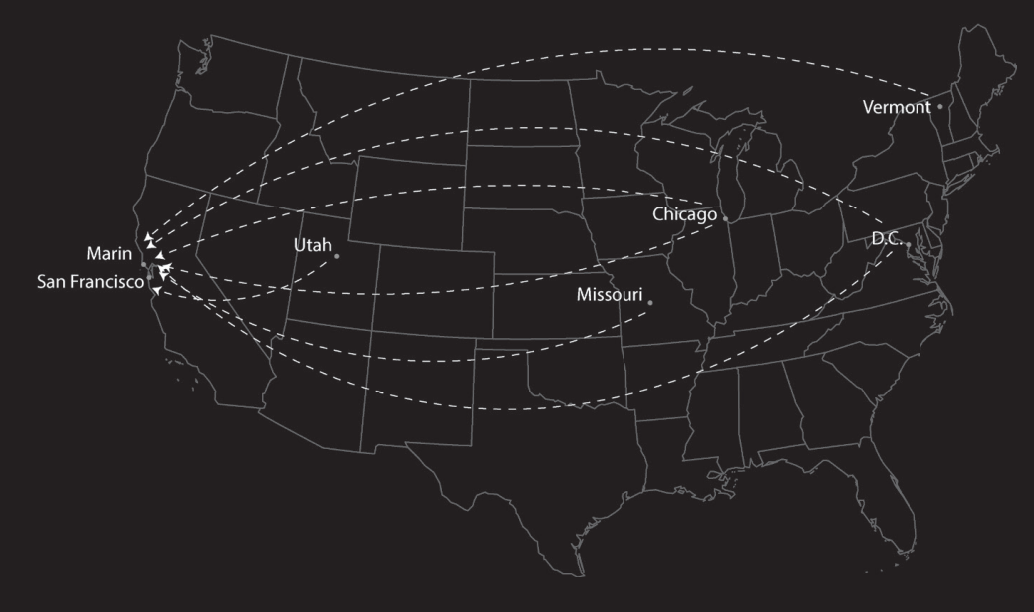
Is your trustee reasonably younger and geographically accessible?