If you are selling a legacy estate in Ross, timing and strategy matter more than ever. In a small, high-value market, every detail can shape how buyers see your property, from its condition and presentation to how and when it enters the market. The good news is that with the right plan, you can protect privacy, create confidence, and position the home to attract serious buyers. Let’s dive in.
Why Ross estate sales require strategy
Ross is not a high-volume market. According to BAREIS year-end statistics for 2025, there were just 27 closed sales in Ross, which means each listing can carry extra weight in how buyers interpret value.
Ross is also a mature housing market. Marin LAFCo’s Upper Ross Valley report notes that Ross has been essentially built out since the 1970s, and much of its housing stock predates 1939. For legacy properties, that often means buyers are evaluating not just size and location, but also condition, privacy, and how the home has been cared for over time.
Current pricing reinforces how important strong positioning can be. Redfin’s Ross housing market data shows a February 2026 median sale price of $3.0M, homes selling in 13 days, and many properties receiving multiple offers. In a market like this, a thoughtful launch can help you capture demand without leaving value on the table.
Best timing for a Ross estate sale
For many sellers, spring offers the broadest window of buyer activity. NAR’s seasonal housing research shows that housing activity tends to peak in spring and slow in winter, with January typically being the lowest average month for existing-home sales.
In Ross, that pattern can matter even more because the buyer pool is selective and price points are high. A spring launch may create the best chance to generate attention from qualified buyers and potentially encourage competition. If your goal is to maximize visibility, spring is often the strongest starting point.
That said, the best time to sell is not always the most popular time to list. If the property is tied to trust administration, probate, renovation work, or a family timeline, your ideal schedule may be different. In those cases, strategy matters more than forcing a sale into a specific season.
When off-season timing makes sense
An off-season launch can still work well when privacy is a priority or when the home needs careful preparation. Legacy estates often benefit from time spent on cleaning, staging, repairs, and landscaping rather than rushing to market.
If the property is part of probate, legal steps may also influence timing. California’s probate self-help guidance explains that administration can involve filings, publication, appraiser valuation, and required notice of sale in many situations. In other words, the market calendar may matter less than the estate process itself.
How to prepare a legacy property
For many Ross estate sales, the question is not whether to fully remodel before listing. The better question is which improvements will increase buyer confidence and make the home feel well cared for without delaying the sale.
Older housing stock often brings deferred maintenance, dated finishes, or room layouts that need context for today’s buyers. That does not always mean you need major construction. It often means you need a focused plan that improves presentation and reduces uncertainty.
Prioritize visible, high-impact updates
NAR’s 2025 staging research found that 86% of buyers’ agents said staging affects buyer perceptions, 83% said it helps buyers visualize the property as a future home, and 30% of sellers’ agents reported slight decreases in days on market for staged homes. The highest-priority rooms were living rooms, primary bedrooms, and dining rooms.
For a Ross legacy estate, that points to a practical pre-sale checklist:
- Fresh paint where needed
- Updated lighting for a cleaner, brighter feel
- Landscaping cleanup and garden editing
- Furniture removal or editing to improve scale
- Targeted staging in key living spaces
- Small repairs that reduce buyer distraction
This kind of preparation can often deliver a stronger return than a large pre-sale remodel. It also supports faster speed to market, which can be especially helpful if the property is part of an estate or trust sale.
Treat as-is as a strategy choice
Selling as-is can be the right decision in some estate situations, but it should be treated as a pricing and convenience strategy, not a substitute for preparation. Even if you are not taking on major work, presentation still matters.
A clean, well-staged, and thoughtfully marketed home usually gives buyers more confidence than one that feels untouched or uncertain. In a premium market like Ross, confidence can directly affect both offer strength and terms.
Privacy versus exposure in marketing
One of the biggest decisions in a legacy estate sale is how public the marketing should be. Some families want broad exposure to reach the largest possible buyer pool. Others prefer a more controlled launch because of privacy, occupancy, or estate administration concerns.
The tradeoff is simple: more exposure often means more buyer competition, while more privacy can limit the pool of buyers who ever see the property. NAR has emphasized that MLS exposure provides broad market access for consumers.
When a Coming Soon strategy fits
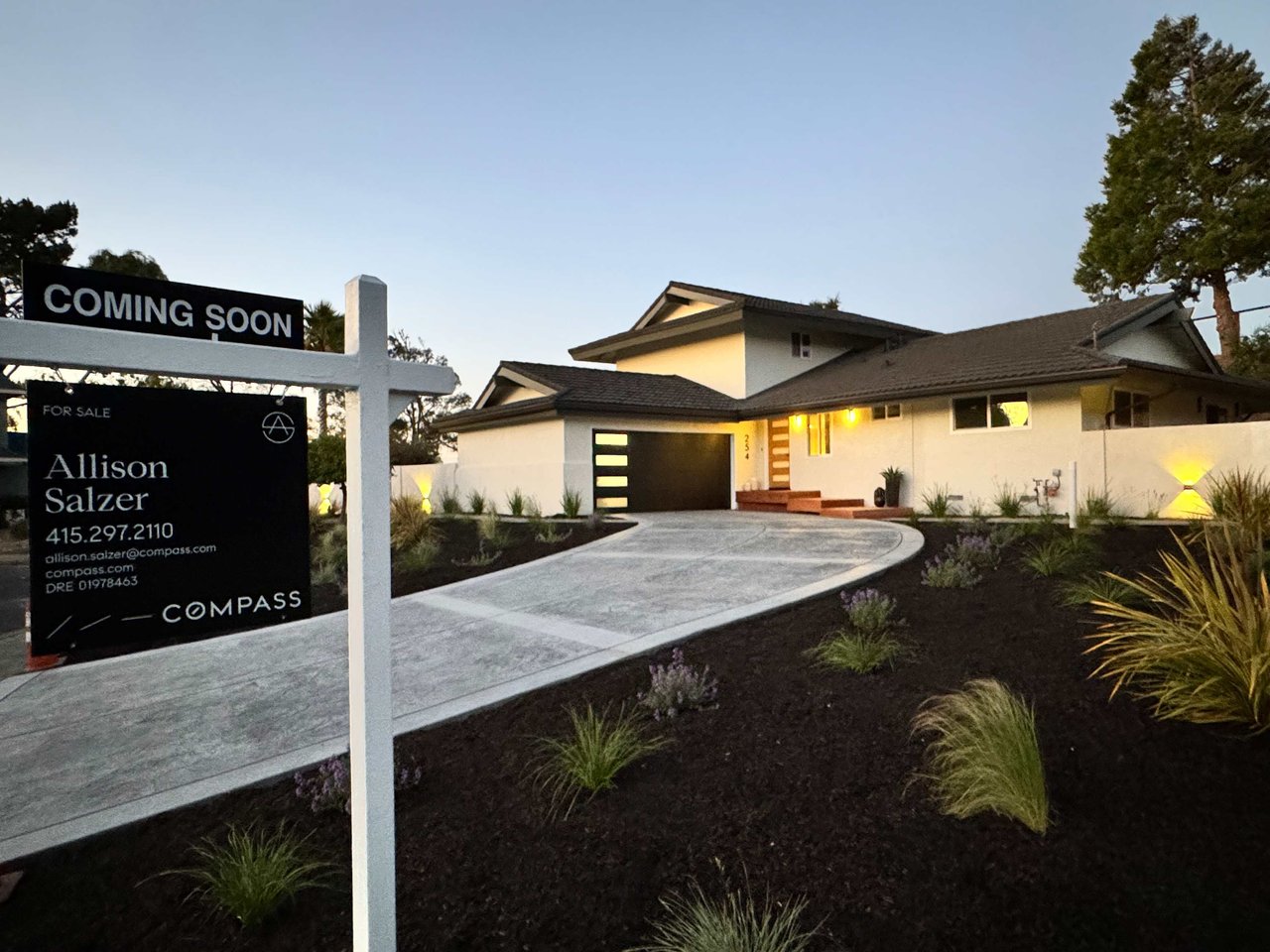
A Coming Soon period can offer a middle path. Under BAREIS rules, a Coming Soon listing has a valid agreement in place but is not yet ready for Active status until a specified on-market date.
That can work well if you need a short runway for final preparation while still creating early awareness. It can also help you control timing more precisely, especially when coordinating estate logistics, family schedules, or vendor work.
Know the local MLS rules
If privacy is important, it still helps to understand what local rules require. BAREIS requires at least one exterior photo within one day of entering an Active listing unless the seller signs an exclusion, and photos are optional for Coming Soon listings. BAREIS also keeps showing instructions and personal information out of public remarks.
BAREIS also participates in a regional cross-pollination agreement with several other MLS systems, which can extend the reach of a Ross listing across the broader region. For many sellers, that wider audience is worth serious consideration.
Who is most likely to buy in Ross
In Ross, the likely buyer is often not a first-time buyer. NAR’s 2025 Profile of Home Buyers and Sellers reported that first-time buyers made up 21% of the market, all-cash purchases averaged 26%, and 54% of repeat buyers used proceeds from a previous home sale to finance their next purchase.
That matters because your buyer is likely to be experienced, financially prepared, and highly selective. They may already know Marin, and they may compare your home against a small number of other premium options.
Redfin migration trends for Ross also show that 75% of Ross homebuyers searched to stay within the metro area, while only 3% searched to move into Ross from outside metros. In practical terms, your strongest audience may be Bay Area buyers who already understand the local lifestyle and market.
Estate sale disclosures and process
If you are selling a legacy estate through a trust, conservatorship, guardianship, or decedent’s estate, disclosure rules may differ from a standard owner-occupied sale. California Civil Code section 1102.2 provides certain exemptions for fiduciaries acting in the course of administration, although there are exceptions in some trust situations.
California Civil Code section 1102.3 also states that disclosure documents must be delivered as soon as practicable before transfer of title. If disclosures are delivered after an offer is signed, the buyer may have a limited right to terminate.
This is one reason estate sales benefit from strong coordination early in the process. Clear timelines, organized paperwork, and a realistic launch plan can help reduce avoidable delays later.
A practical Ross selling plan
If you are preparing to sell a legacy estate in Ross, a smart plan often looks like this:
- Review the property’s condition and sale constraints
- Decide whether timing should follow the market or the estate process
- Identify high-impact improvements instead of defaulting to a full remodel
- Build a pricing strategy around current Ross inventory and buyer expectations
- Choose the right exposure level, whether public, Coming Soon, or more private
- Organize disclosures, estate documents, and showing logistics early
The goal is not just to list the home. The goal is to present it in a way that matches Ross buyer expectations while respecting the realities of an estate sale.
Selling a legacy property often comes with more emotion, more logistics, and more decision points than a typical home sale. With the right guidance, you can create a strategy that balances timing, privacy, preparation, and pricing so the property enters the market from a position of strength. If you are considering your next step, Allison Salzer can help you evaluate the best path for your Ross estate sale.
FAQs
What is the best time to sell a legacy estate in Ross?
- Spring often provides the broadest buyer activity, but probate, trust administration, renovation timing, or privacy concerns can make another season the better choice.
Should you remodel before selling a Ross estate property?
- Not always. For many legacy homes, targeted improvements like paint, lighting, landscaping, repairs, and staging can improve buyer confidence more efficiently than a full remodel.
Is MLS exposure important when selling a Ross estate?
- In many cases, yes. Broad MLS exposure can expand the buyer pool, though some sellers choose a more private or Coming Soon strategy depending on their goals.
Can you sell a Ross estate home as-is?
- Yes, but as-is is usually a pricing and convenience choice, not a reason to skip cleaning, staging, or basic presentation work.
Do probate or trust sales in California have different disclosure rules?
- They can. Certain fiduciary sales may be exempt from parts of the standard disclosure article under California law, but timing and delivery of disclosures still matter.
Who typically buys homes in Ross?
- Ross buyers are often repeat, equity-rich buyers from within the broader Bay Area who are familiar with premium Marin housing and expect strong presentation and clear pricing.